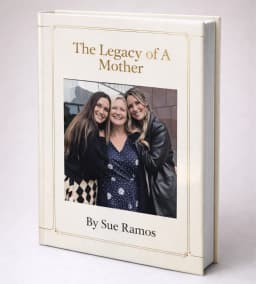
Manufacturer image · not our photo
SIDE BY SIDE · memory book gift
Storyworth vs Memorygram: Which Fits Your Family?
Storyworth vs Memorygram compared on how each collects stories, timeline, price, and guarantee, so you can decide which fits your family.
We earn a commission if you buy through this link. It does not change the price you pay. Check the seller for current price, compatibility, and return conditions.
Storyworth vs Memorygram: Quick Overview
If you're weighing storyworth vs memorygram, here's the short version: both are gift-focused services built around weekly questions. A parent, grandparent, or other relative answers the questions over time. At the end, their answers become a printed hardcover book.
That's the shared idea. The details differ.
Storyworth is a well-known, established memoir-book service. It's generally understood to email weekly prompts over a set period, then compile the answers into a book. That's general public knowledge, not something we verified against Storyworth's current site for this page.
Memorygram, per its own offer page, sends weekly questions by email, text, or phone call. The storyteller can answer by speaking, writing, or texting.
This comparison sticks to publicly known basics about Storyworth and the details listed on Memorygram's offer page. We're not naming a winner. We're laying out what each service says it does so you can decide what fits your family.
How Each Collects Stories
The story-collection method is the biggest practical difference between these two services.
Storyworth is generally known for email-based weekly prompts that the storyteller answers in writing. That writing-first approach works well for people who like to sit down and type out their thoughts. Note that we haven't reviewed Storyworth's current site here, so confirm current answer options directly with them. They may have added formats over time.
Memorygram's offer page describes four ways to answer:
- Typing
- Voice-to-text
- Text message
- A phone call with a live interviewer
The phone-interview option is Memorygram's stated point of difference. For a storyteller who doesn't like typing, or who finds typing tiring, having a live person ask the questions over the phone may be far more comfortable. Talking is how many people naturally tell stories.
Questions can also arrive by more than one channel, per the offer page — email, text, or phone call. That flexibility matters if the storyteller doesn't check email often but always has their phone.
One honest caveat: we haven't tested either company's process hands-on. This is a comparison of stated features, not a lab test. Neither service's claims have been independently verified here.
Timeline and Format of the Finished Book
Both services end with the same kind of product: a printed hardcover book of the storyteller's answers. The path there is different.
Storyworth's timeline. Storyworth is widely understood to run on a roughly year-long prompt cycle before the book is compiled. That slow pace can feel like a feature — a year of questions is a year of conversations — or a drawback if the gift is for an occasion coming up in a few months. Buyers should check the current program length on Storyworth's own site, since these details can change.
Memorygram's timeline. Memorygram lets buyers choose up to 60 questions and set how often they're sent, per its offer page. That means the timeline depends on the questions you pick. Fewer questions, sent more often, could compress the process. More questions, sent weekly, stretches it out.
The finished book. Both services produce a printed hardcover book. Memorygram also offers a digital copy as an add-on, per its offer page, which can be handy for sharing with family members who live far away. Cover customization is available for the Memorygram book, according to the offer page.
Storyworth's exact book options and formats should be confirmed on its site, since we're not stating specifics we haven't verified.
Price and Guarantee
Here's where we have to be careful, because pricing changes and we haven't verified either company's current numbers.
Memorygram. Memorygram's base book price and add-ons are listed on its offer page. The add-ons include:
- Extra book copies
- A digital copy
- An additional storyteller sharing one book
Prices change with promotions, so check the current pricing directly on the offer page rather than relying on any figure you saw elsewhere.
Storyworth. We're not stating a Storyworth price here, because it isn't in the source material we reviewed. Storyworth's current pricing should be checked on its own site.
Guarantees. Memorygram's offer page mentions a money-back guarantee, but the full terms aren't spelled out in the text we reviewed. A guarantee mentioned in marketing copy isn't the same as knowing exactly what's covered, what isn't, and what conditions apply. Read the current guarantee wording on the offer page before ordering.
The same advice applies to Storyworth: compare each company's stated guarantee and return terms directly on their offer pages before deciding. Shipping costs, return conditions, and what happens if the book arrives with errors are all things worth checking on both sites.
Who Each Fits
Thinking about memorygram vs storyworth in terms of fit is more useful than looking for a single winner, because the right choice depends on your storyteller.
Storyworth may fit if:
- Your storyteller is comfortable writing and typing.
- You want a well-established, widely known service, based on its general reputation.
- A longer, year-long prompt cycle suits your timeline.
Memorygram may fit if:
- Your storyteller prefers talking over typing, given its phone-interview option with a live interviewer.
- You want control over the number of questions (up to 60) and how often they're sent.
- You want flexibility in how questions arrive — email, text, or phone call.
- You're hoping to add a second storyteller to one book; Memorygram's additional-storyteller add-on is designed for that, per its offer page.
- A digital copy alongside the hardcover would be useful for sharing.
One more angle worth considering: an older relative who doesn't use email may struggle with a writing-first service. In that case, Memorygram's phone options — questions by call, answers by call or text — may lower the barrier. But that's a judgment based on stated features, not a tested result.
Before choosing, check both companies' current offer pages for pricing, timeline, and guarantee details. These details change, and the decision should rest on current facts, not on a review written months earlier.
Bottom Line
Both are reasonable ways to turn a relative's memories into a book, and neither is named a winner here.
The clearest difference in the material we reviewed is Memorygram's phone-interview option — a live person asking questions over the phone, for storytellers who'd rather talk than type. Beyond that, Memorygram offers flexible question counts, multiple answer formats, and add-ons like extra copies and a second storyteller.
What we know about Storyworth is more general: an established, writing-first weekly prompt service with a long track record and wide name recognition.
Neither service's process has been tested hands-on for this comparison, and no specific Storyworth features or prices have been verified here. Before buying, verify current pricing, program length, and guarantee terms directly with each company. Then pick the one that matches how your storyteller actually likes to communicate — because the best service is the one they'll actually use.
ALSO IN THESE GIFT LISTS
Sources and research scope
A comparison of stated features, not a hands-on test. Facts about this product come from the seller offer page as fetched on the source-check date; competitor details are general public basics that readers should verify.
- Memorygram seller information · checked
Before ordering, record the exact model, what is included, and the delivered price with shipping, any subscription or replacement costs, and return postage. Read the return conditions for opened or used items and the deadline. A return window is not a guarantee of results or a cost-free trial, and a sale percentage is not evidence of value.